
What Happened
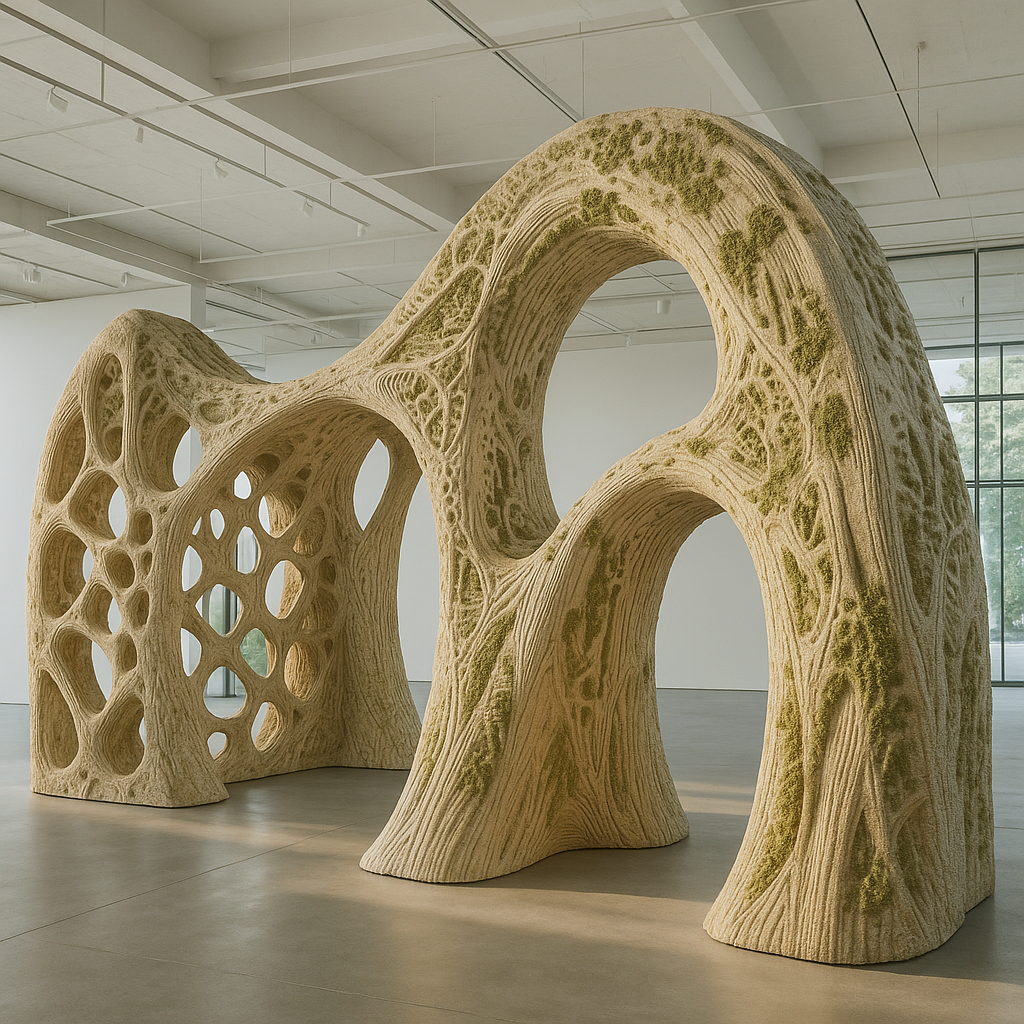
At the Venice Biennale of Architecture 2025, a significant spotlight was cast on the emerging trend of 3D printing with natural materials. This event showcased innovative uses of living materials—biological substances integrated into 3D printing processes that can grow, adapt, or self-heal—to push the boundaries of architecture and sustainable construction. While the exhibition highlighted various natural composites and bio-based inks, detailed technical specifications and performance data remain limited publicly.
Why It Matters
The integration of living materials into 3D printing represents a paradigm shift in how structures and materials are conceived. Unlike inert synthetic polymers or metals, living materials introduce dynamic, responsive, and regenerative properties to printed objects. This can lead to buildings and components that self-repair damage, adapt to environmental changes, or even grow over time, reducing the need for resource-intensive maintenance and replacement.
In the context of increasing environmental concerns and the drive toward sustainable development, such bio-embedded materials could dramatically lower the carbon footprint of construction. They also open new avenues for circular economy models where materials are not discarded but biologically reintegrated or reused. The Venice Biennale’s focus on these materials underscores their rising importance in architectural innovation and the broader 3D printing ecosystem.
Technical Context
Living materials in 3D printing typically combine biological agents such as bacteria, fungi, algae, or plant cells with natural polymers like cellulose, chitosan, or mycelium-based composites. These bio-inks are engineered to maintain viability during printing and to facilitate post-print growth or functionalization.
Challenges include ensuring structural integrity while maintaining biological activity, controlling growth patterns, and integrating these materials with traditional building components. Current approaches often involve hybrid printing techniques that layer living materials alongside conventional substrates or embed microfluidic channels to sustain cellular life.
At Venice Biennale 2025, the exhibited projects demonstrated early-stage prototypes and conceptual installations rather than fully commercialized products. This aligns with the broader R&D phase of living materials in construction—where multidisciplinary collaboration between biologists, materials scientists, and architects is critical.
Near-Term Prediction Model
Given the current state of research and demonstration projects, living materials in 3D printing are positioned at the pilot stage of maturity. Over the next 24 to 36 months, incremental advances in bio-ink formulation, printing fidelity, and environmental control systems are expected.
We anticipate initial commercial applications targeting niche markets such as experimental architectural elements, interior design components, or temporary installations where sustainability and innovation provide competitive advantage. Broader adoption in mainstream construction will require overcoming regulatory hurdles, scalability issues, and long-term durability validation.
The impact score is moderate to high (around 70/100) due to the transformative potential, but confidence remains cautious (about 60/100) because of technical and regulatory uncertainties.
What to Watch
- Development of standardized bio-inks with enhanced printability and biological functionality.
- Advances in multi-material 3D printers capable of handling living substrates alongside traditional materials.
- Long-term field studies demonstrating durability, safety, and environmental benefits of living material-based structures.
- Regulatory frameworks evolving to include bio-embedded construction materials.
- Collaborations between biotech firms, material scientists, and architectural firms to accelerate commercialization.
- New exhibitions and competitions showcasing living materials to raise public awareness and industry interest.
While the Venice Biennale 2025 provided a compelling glimpse into the future of smart and bio-embedded materials in 3D printing, much remains to be explored and validated. Continued interdisciplinary research and pilot deployments will be key to unlocking the full potential of living materials in sustainable architecture.