What Happened
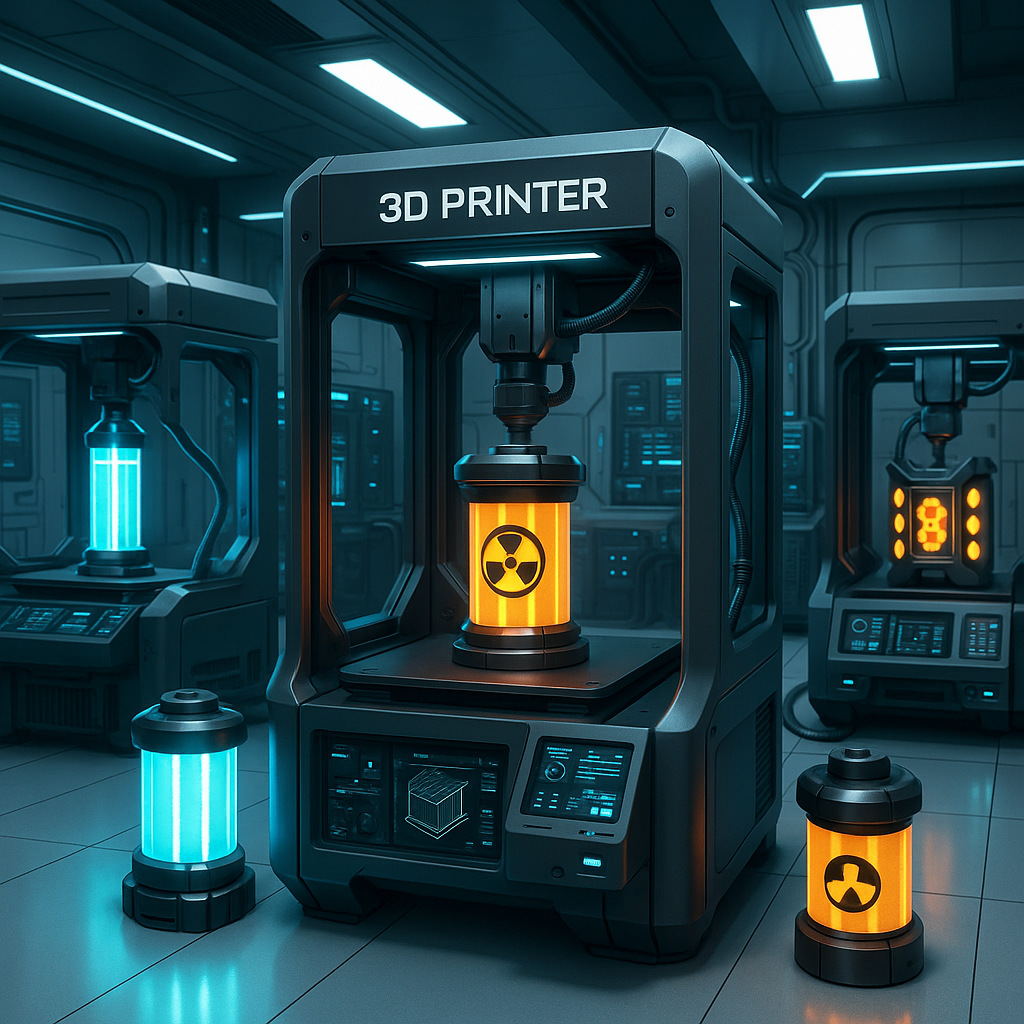
Adelaide University has recently made strides in manufacturing next-generation nuclear batteries through a collaborative effort, as reported by Australian Manufacturing. This collaboration involves leveraging advanced manufacturing techniques, potentially including collaborative printing methods, to develop nuclear batteries that promise enhanced performance and longevity.
Why It Matters
The advancement of nuclear battery technology could revolutionize power sources for a variety of applications, from medical devices to space exploration. By incorporating collaborative printing techniques, the manufacturing process can become more efficient, scalable, and customizable. Collaborative printing—where multiple printers or print heads work in concert—can reduce production time and improve the precision of complex components. This is particularly critical for nuclear batteries, which require exacting standards for safety and functionality.
Technical Context
Collaborative printing, often a subset of swarm 3D printing, involves the synchronized operation of multiple 3D printers or print heads to fabricate parts that are either too large or too complex for a single printer. This approach can enhance throughput and allow for modular construction of intricate devices. In the context of nuclear battery manufacturing, such precision and scalability are vital due to the stringent material and structural requirements.
While the specific technical details of Adelaide University’s process remain undisclosed, the integration of collaborative printing likely addresses challenges such as material heterogeneity, microstructural control, and component miniaturization. These factors are essential for optimizing the nuclear battery’s energy density and operational safety.
Near-term Prediction Model
Given the current stage of development, the technology is likely in the pilot phase, with ongoing research and prototyping. Over the next 12 to 24 months, we can expect further refinement of collaborative printing processes tailored to nuclear battery fabrication, including improved material formulations and printer coordination algorithms. The impact score is moderate to high, considering the potential energy and manufacturing benefits, but confidence remains cautious due to the complexity and regulatory hurdles associated with nuclear materials.
What to Watch
- Publication of technical papers or patents detailing the collaborative printing methods used in nuclear battery manufacture.
- Partnerships or funding announcements that accelerate commercialization efforts.
- Regulatory developments impacting the production and deployment of nuclear batteries.
- Advances in swarm printing coordination software that enhance print precision and speed.
- Demonstrations of scaled-up manufacturing runs or prototype deployments in real-world applications.
While many specifics about Adelaide University’s collaborative printing techniques remain unknown, this development signals a promising intersection of swarm printing technology and advanced energy storage solutions.