
What Happened
In early 2026, The Motley Fool published a comprehensive guide on the best 3D printing stocks to buy in 2026, highlighting the growing importance of digital inventory and on-demand manufacturing enabled by 3D printing technologies. This coverage underscores a shift in manufacturing paradigms where companies are increasingly investing in digital inventory solutions to reduce physical stock and improve supply chain responsiveness.
Why It Matters
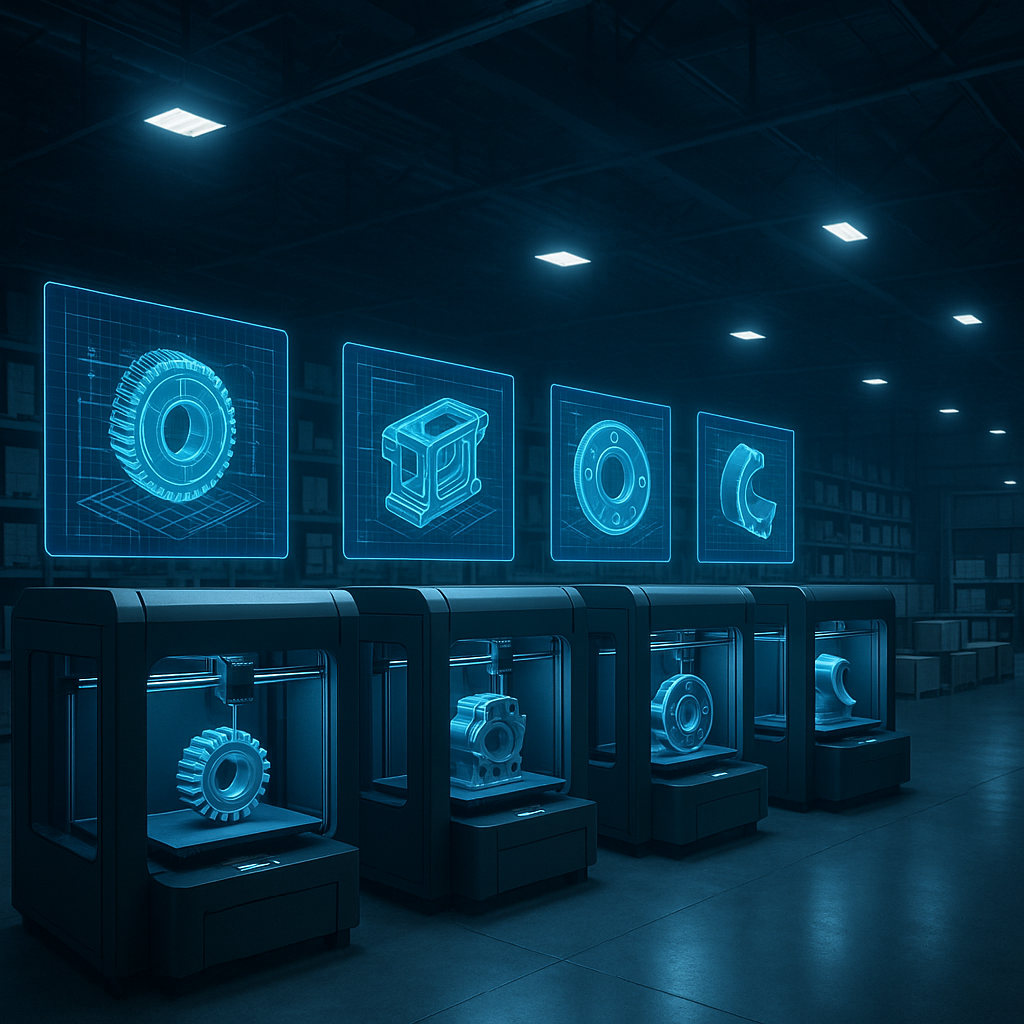
Digital inventory 3D printing represents a transformative approach to inventory management and manufacturing. Instead of maintaining large physical warehouses stocked with finished goods or components, companies store digital files that can be printed on-demand close to the point of use. This shift has profound implications for reducing inventory costs, minimizing waste, and enabling highly customized production runs. The Motley Fool’s focus on investment opportunities reflects growing market confidence that digital inventory models powered by additive manufacturing will disrupt traditional supply chains and create new economic efficiencies.
Technical Context
Digital inventory 3D printing relies on several technical components working in concert. First, high-quality, validated digital design files must be created and securely stored. These files serve as the blueprints for additive manufacturing processes, which can range from polymer extrusion to metal powder bed fusion depending on the application. Advances in materials science have expanded the range of printable materials, enabling production of functional parts with mechanical properties comparable to conventionally manufactured components.
On the software side, digital inventory management platforms integrate with manufacturing execution systems to automate order fulfillment. When a part is requested, the system triggers the 3D printer to produce the item locally, often within hours. This decentralization reduces lead times and logistical complexity. However, challenges remain in standardizing digital file formats, ensuring intellectual property protection, and certifying printed parts for critical applications.
Near-Term Prediction Model
Over the next 12 to 24 months, we anticipate a steady increase in adoption of digital inventory 3D printing among mid-sized manufacturers and supply chain operators. Pilot projects will evolve into commercial deployments, particularly in industries with complex, low-volume parts such as aerospace, healthcare, and automotive aftermarket. Investment interest, as highlighted by The Motley Fool, will likely drive innovation in printing hardware, materials, and software platforms to support scalable digital inventory ecosystems.
However, widespread disruption of traditional inventory models will take time due to regulatory hurdles, cost considerations, and the need for industry standards. The technology is currently transitioning from pilot to early commercial stages, with impact expected to grow as supply chain resilience and customization demands intensify.
What to Watch
- Standardization efforts: Development of universal digital file formats and certification protocols for printed parts will be critical to broader adoption.
- Material advancements: Breakthroughs in printable materials that combine performance with cost-efficiency will expand application scope.
- Investment trends: Tracking funding rounds and stock performance of companies specializing in digital inventory 3D printing can signal market momentum.
- Regulatory landscape: Monitoring changes in quality assurance and safety regulations for additively manufactured parts is essential.
- Supply chain integration: The ability of digital inventory systems to seamlessly integrate with existing ERP and logistics platforms will influence adoption rates.
While some specifics on how companies plan to implement digital inventory 3D printing remain undisclosed, the general trajectory points toward a more agile, responsive manufacturing paradigm. Stakeholders should closely monitor technological, regulatory, and market developments to capitalize on this evolving frontier.