
What Happened
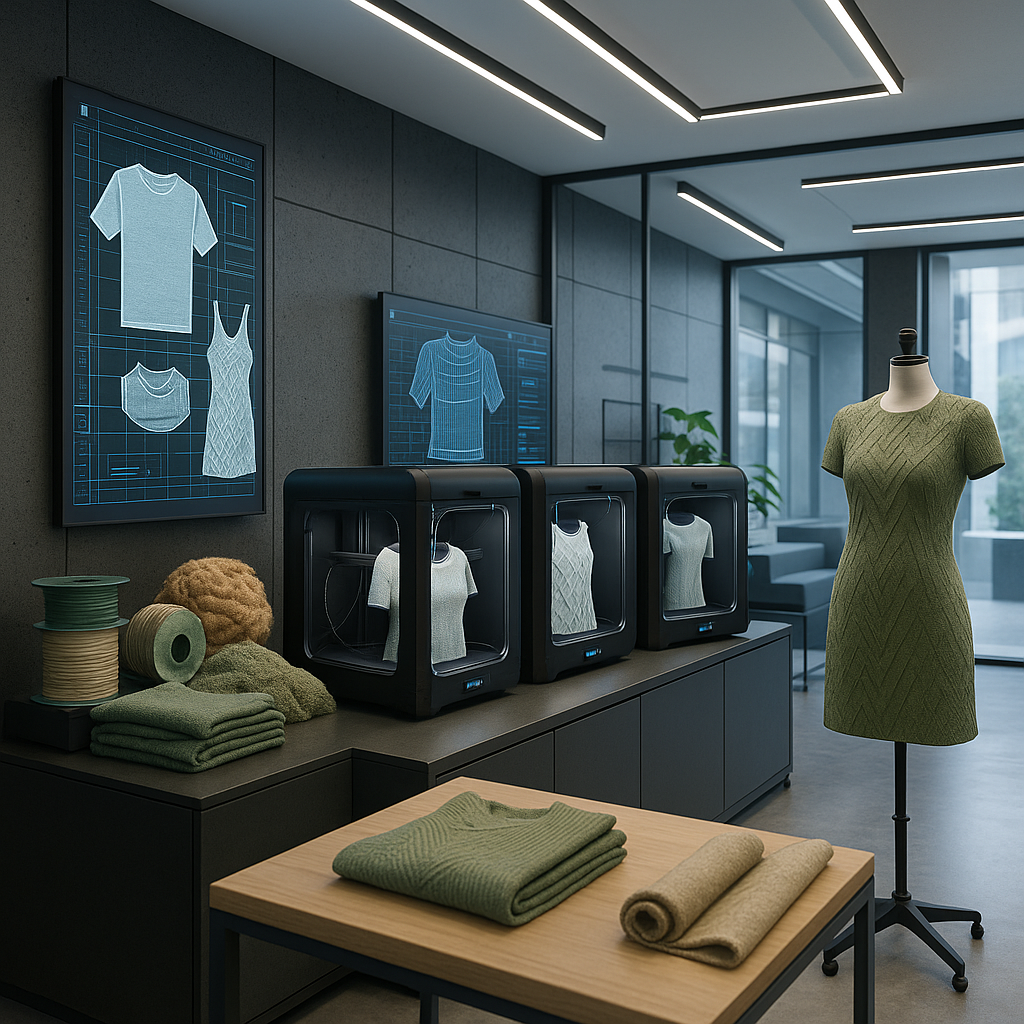
According to a recent article from Meer | English edition, 3D printing is increasingly revolutionizing sustainable fashion by enabling brands to produce garments and accessories on demand. This shift is closely tied to the adoption of digital inventory strategies, where digital files replace physical stockpiles, allowing production to occur only when needed. This model reduces material waste, excess inventory, and the carbon footprint associated with traditional mass manufacturing and global shipping logistics.
Why It Matters
The integration of digital inventory and 3D printing technologies addresses two major challenges in the fashion industry: overproduction and environmental impact. Traditional fashion supply chains rely heavily on forecasting and bulk manufacturing, often resulting in unsold stock that contributes to waste. By contrast, digital inventory enables brands to store and share product designs as digital assets, which can be printed locally or regionally on demand. This minimizes excess inventory and reduces the need for large warehouses and long-haul transportation.
Moreover, 3D printing allows for the use of sustainable or recycled materials and supports customization, which can extend product life and appeal to conscious consumers. The combination of these technologies aligns with growing consumer demand for eco-friendly products and transparency in manufacturing.
Technical Context
Digital inventory in 3D printing involves maintaining a library of digital design files that can be accessed and manufactured when orders are placed. This requires robust digital asset management systems capable of handling secure file storage, version control, and rights management to protect intellectual property.
On the manufacturing side, advancements in additive manufacturing technologies have expanded material options suitable for fashion, including flexible polymers, bio-based resins, and recycled composites. Multi-material 3D printers and hybrid systems also enable the creation of complex, functional garments and accessories with integrated features such as ventilation or structural support.
However, there remain technical challenges such as print speed, scalability to mass production levels, and achieving the tactile qualities consumers expect from traditional textiles. Additionally, standardization of digital file formats and interoperability across different 3D printing platforms are ongoing concerns.
Near-term Prediction Model
Within the next 18 to 24 months, expect pilot and limited commercial deployments of digital inventory-based 3D printing solutions in niche fashion segments such as footwear, accessories, and bespoke apparel. Early adopters will likely be brands with strong sustainability commitments and digitally savvy consumers.
As 3D printing hardware and materials continue to improve in cost-efficiency and quality, broader adoption in mainstream fashion manufacturing is plausible within a 3-5 year horizon. This will be driven by advancements in print speed, material innovation, and integration with AI-driven design and inventory management systems.
What to Watch
- Development of standardized digital inventory platforms that facilitate secure, scalable sharing of design files across supply chains.
- Material innovation focused on sustainable, recyclable, and bio-based feedstocks suitable for 3D-printed fashion.
- Collaborations between fashion brands and additive manufacturing companies to develop new business models centered on on-demand production.
- Consumer acceptance and perception of 3D-printed garments in terms of quality, comfort, and style.
- Regulatory and intellectual property frameworks addressing digital design rights and counterfeit prevention in digital inventory ecosystems.
While the full potential of digital inventory and 3D printing in sustainable fashion is still emerging, the convergence of these technologies marks a significant shift toward more responsible, agile, and consumer-responsive manufacturing paradigms.