
What Happened
As highlighted by The Motley Fool’s recent report on 3D printing stocks to consider in 2026, the additive manufacturing sector is gaining renewed investor attention amid rapid technological advancements. While much of the focus remains on hardware and materials, an under-covered but critical trend is the rise of digital inventory 3D printing as a transformative approach to on-demand manufacturing and supply chain resilience.
Why It Matters
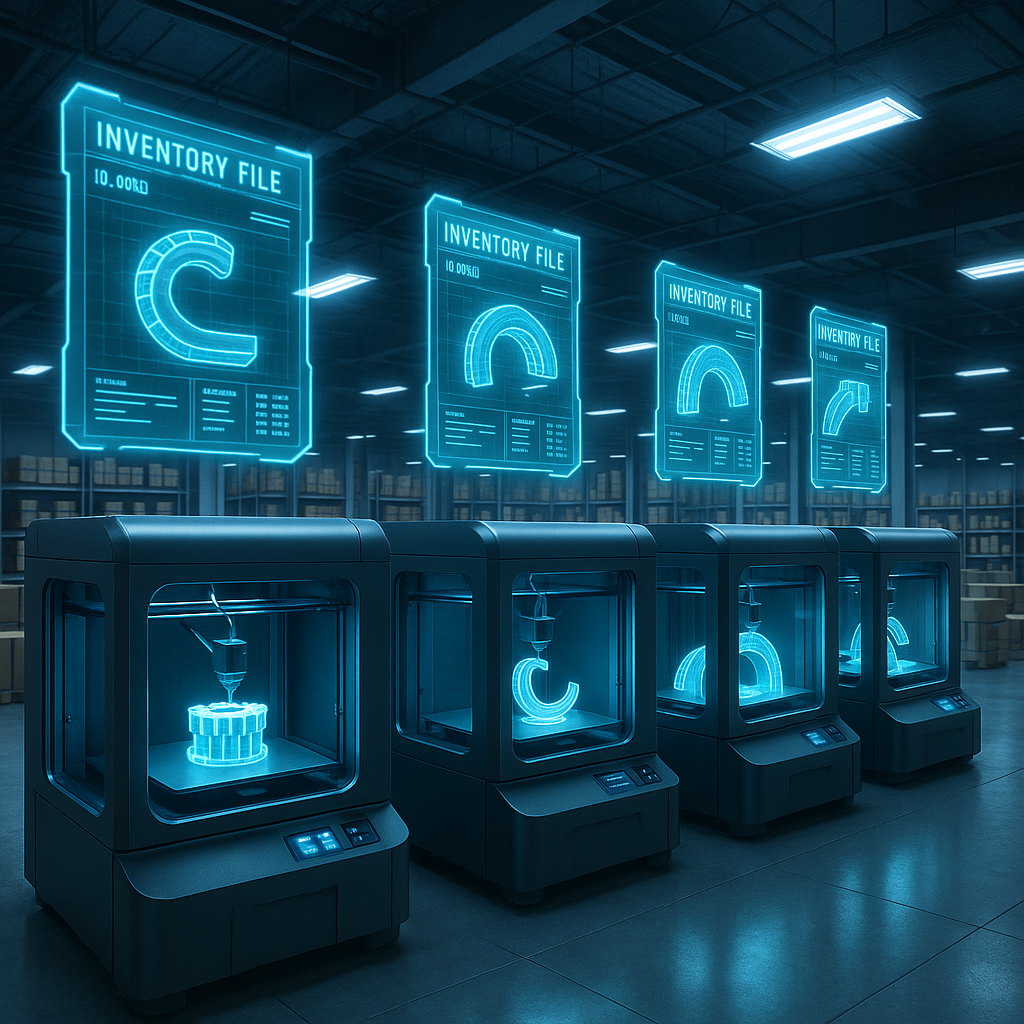
Digital inventory 3D printing represents a paradigm shift from traditional physical stockpiling to maintaining virtual inventories of digital design files. This enables manufacturers and distributors to produce parts and products locally and on-demand, drastically reducing lead times, storage costs, and waste. In an era marked by supply chain disruptions, geopolitical uncertainties, and shifting consumer demands, the ability to digitally store and rapidly produce inventory is a strategic advantage.
Moreover, this approach aligns with sustainability goals by minimizing overproduction and transportation emissions. It also empowers customization and localized production, potentially revitalizing manufacturing ecosystems in developed and emerging markets alike. For investors and industry stakeholders, understanding this emerging model is key to identifying growth opportunities beyond conventional 3D printing hardware plays.
Technical Context
Digital inventory 3D printing relies on the convergence of several technological components:
- Advanced CAD and File Management: High-fidelity, standardized digital design files need to be securely stored, version-controlled, and easily transmitted across distributed manufacturing nodes.
- Interoperable Printing Hardware: A diverse range of 3D printers capable of handling multiple materials and producing parts that meet stringent quality and certification standards.
- Software Integration: Automated workflows that connect order management systems with production scheduling and printer control to enable seamless on-demand manufacturing.
- Quality Assurance and Certification: Remote monitoring, in-situ inspection, and traceability mechanisms to ensure parts produced from digital inventory meet regulatory and customer requirements.
While these elements exist individually, integrating them into scalable digital inventory ecosystems remains a work in progress. Challenges include standardization of file formats, cybersecurity of digital assets, and ensuring consistent production quality across decentralized locations.
Near-term Prediction Model
Over the next 12 to 24 months, digital inventory 3D printing is expected to transition from pilot deployments to early commercial adoption in select industries such as aerospace, automotive, and healthcare. Key drivers will include:
- Increasing pressure on supply chains to become more agile and resilient.
- Growing demand for spare parts on-demand, especially for legacy equipment where physical inventory is costly or unavailable.
- Advancements in materials and printer capabilities that expand the range of printable parts.
- Regulatory frameworks evolving to accommodate additive manufacturing quality assurance.
However, widespread adoption across broader manufacturing sectors will require overcoming interoperability and certification hurdles. Investment in digital inventory platforms and partnerships between technology providers and end-users will be critical.
What to Watch
- Development of Industry Standards: Watch for initiatives around digital file formats, cybersecurity protocols, and quality certification standards that enable reliable digital inventory ecosystems.
- Strategic Collaborations: Partnerships between 3D printing hardware manufacturers, software developers, and large industrial end-users signaling integrated digital inventory solutions.
- Regulatory Updates: Changes in certification and compliance requirements for additively manufactured parts that impact on-demand production feasibility.
- Investment Trends: Venture and institutional funding flowing into startups and platforms focused on digital inventory management and distributed manufacturing networks.
- Case Studies and Pilot Programs: Emerging success stories demonstrating cost savings, lead time reductions, and sustainability benefits from digital inventory 3D printing.
In conclusion, digital inventory 3D printing is poised to redefine manufacturing supply chains by enabling flexible, localized, and sustainable production. While technical and regulatory challenges remain, the momentum building in 2026 suggests this frontier will become a cornerstone of the additive manufacturing landscape in the coming years.