
What Happened
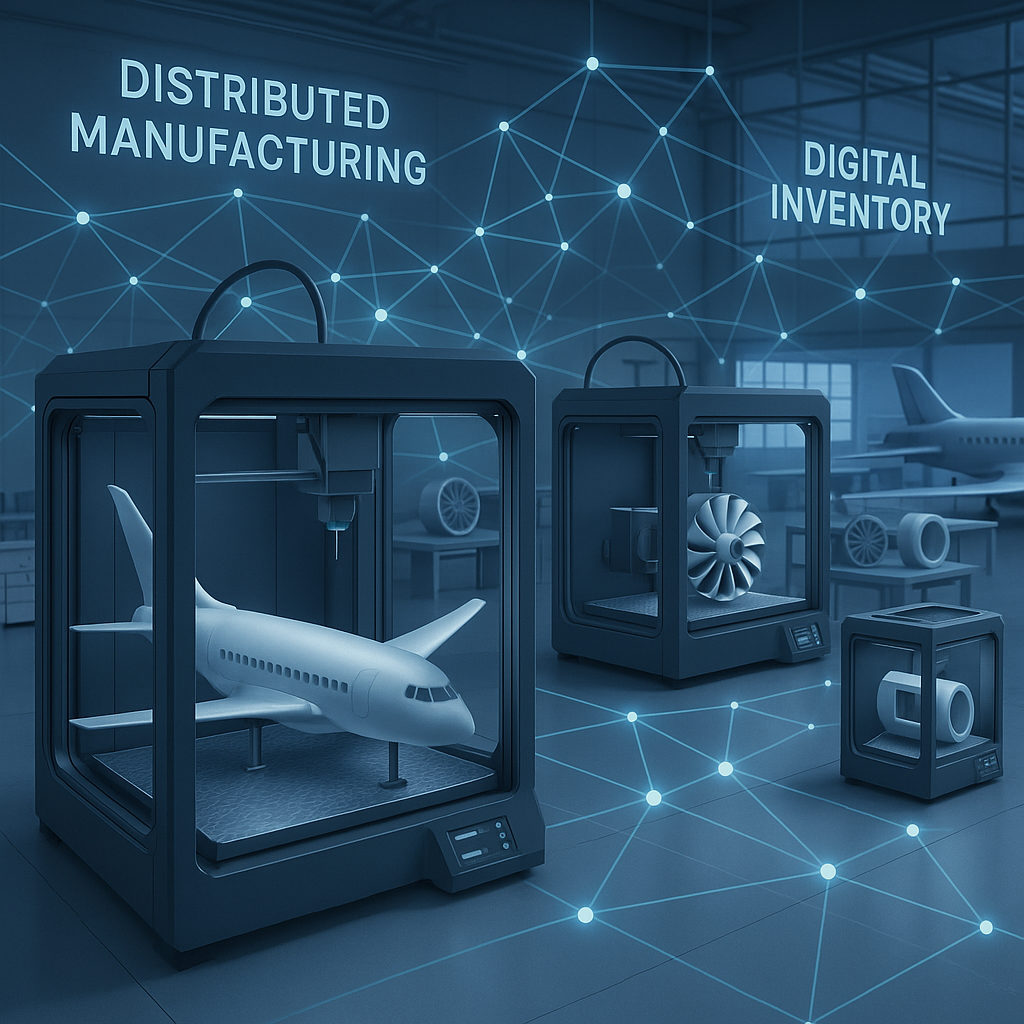
In 2025, the aerospace industry faced unprecedented supply chain disruptions that threatened production schedules and operational continuity. According to Industrial Equipment News, additive manufacturing (AM), commonly known as 3D printing, played a pivotal role in helping aerospace companies navigate these shocks. By leveraging distributed manufacturing networks and digital inventory models, aerospace firms were able to produce critical parts on demand, closer to point-of-use, mitigating delays caused by traditional supply chain bottlenecks.
Why It Matters
The 2025 supply chain shocks exposed vulnerabilities in traditional aerospace manufacturing, which relies heavily on centralized production and extensive physical inventories. The ability to pivot quickly to distributed manufacturing and digital inventory systems allowed aerospace companies to maintain production continuity, reduce lead times, and lower inventory carrying costs. This shift not only enhanced supply chain resilience but also set a precedent for future manufacturing paradigms across industries facing similar disruptions.
Technical Context
Distributed manufacturing in aerospace involves decentralizing production capabilities by deploying additive manufacturing systems at multiple geographically dispersed sites. This approach complements digital inventory strategies, where digital part files replace physical stock, enabling on-demand production. Key enablers of this model include advancements in AM technologies such as metal powder bed fusion and polymer extrusion, improved materials certification processes, and secure digital platforms for part file management and authentication.
However, challenges remain. Ensuring consistent quality across distributed sites requires rigorous process control and standardization. The aerospace sector’s stringent certification requirements for parts add complexity to adopting AM at scale. Furthermore, cybersecurity concerns around digital inventory management and intellectual property protection are critical considerations.
Near-term Prediction Model
In the next 12 to 24 months, we expect the adoption of distributed manufacturing combined with digital inventory to expand within aerospace and adjacent sectors. Early pilot programs and commercial deployments will mature, driven by demonstrated cost savings and improved supply chain agility. Investment in process standardization and certification frameworks will accelerate, addressing current barriers to scale. Additionally, partnerships between aerospace OEMs, AM technology providers, and logistics firms will deepen to create integrated distributed manufacturing ecosystems.
What to Watch
- Certification Advances: Progress in regulatory approvals and standardization for AM parts in aerospace will be crucial for broader adoption.
- Cybersecurity Measures: Innovations in secure digital part file management and blockchain-based authentication to protect intellectual property.
- Network Expansion: Growth of distributed manufacturing nodes globally, especially near key aerospace hubs.
- Material Innovations: Development of new AM materials that meet aerospace performance standards at competitive costs.
- Cross-industry Adoption: Adoption of distributed manufacturing and digital inventory models by other industries influenced by aerospace’s success.
While the Industrial Equipment News article highlights the strategic role of additive manufacturing during the 2025 supply chain crisis, specific data on scale, cost impact, and long-term operational changes remain limited. Further transparency from aerospace companies and technology providers will be essential to fully understand the transformative potential of these technologies.