
What Happened
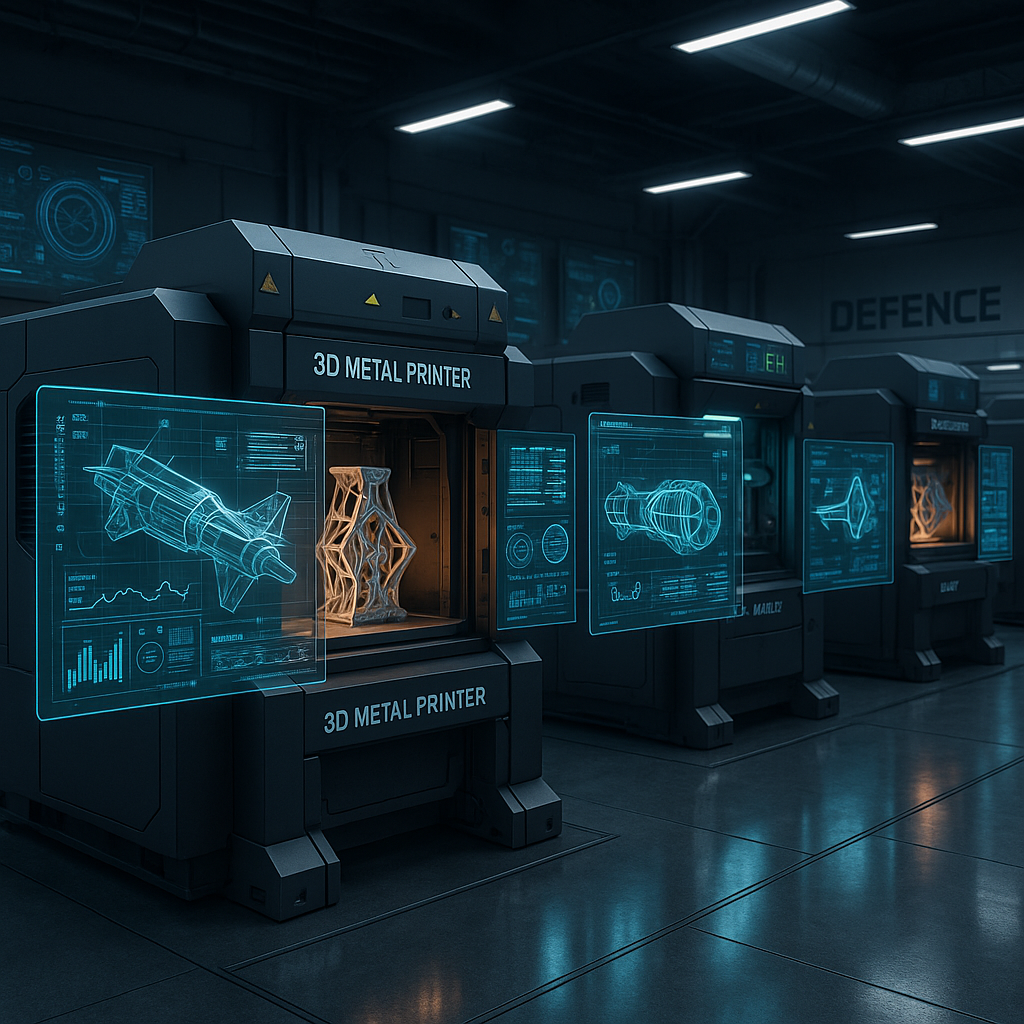
In a strategic move to enhance additive manufacturing capabilities, the US Army has partnered with Velo3D, a leader in advanced 3D printing technologies. According to The Defense Post, this collaboration aims to improve the Army’s additive manufacturing processes by leveraging Velo3D’s cutting-edge metal 3D printing technologies.
Why It Matters
The partnership highlights a growing trend in defense sectors toward adopting collaborative printing techniques to enhance production agility, reduce lead times, and improve part performance. Collaborative printing, including swarm approaches where multiple printers work in concert, can revolutionize how complex parts are manufactured for military applications. By integrating Velo3D’s technology, the Army seeks to address critical challenges such as supply chain vulnerabilities and the need for rapid, on-demand production of mission-critical components.
Technical Context
Velo3D specializes in metal additive manufacturing with a focus on producing high-quality, complex geometries with minimal support structures. Their technology stands out for enabling the printing of intricate parts that are difficult or impossible to produce using traditional methods. While the exact nature of the Army’s utilization of Velo3D’s systems remains undisclosed, the collaboration likely involves leveraging the company’s advanced laser powder bed fusion (LPBF) printers and software solutions to facilitate more efficient, scalable manufacturing workflows.
Collaborative printing in this context may involve synchronized operation of multiple printers or integration into a distributed manufacturing network. Such approaches can enable swarm printing strategies, where tasks are divided among several machines to accelerate production or produce larger assemblies through coordinated efforts. However, specific details on whether the Army is pursuing swarm printing or other forms of collaborative methodologies have not been publicly revealed.
Near-term Prediction Model
Given the current stage of additive manufacturing in defense and the nature of this partnership, the technology is likely in a pilot phase with potential to move toward broader commercial deployment within 12 to 24 months. The Army’s involvement suggests substantial investment in validating these technologies under operational conditions, which could accelerate maturity.
Impact Score: 75/100 – The collaboration promises significant improvements in manufacturing flexibility and resilience, though widespread adoption depends on overcoming integration and certification hurdles.
Confidence: 70/100 – While Velo3D’s technology is proven commercially, the specific implementation within military additive manufacturing environments introduces uncertainties related to scale, reliability, and security.
What to Watch
- Announcements regarding pilot program outcomes and performance metrics from the Army-Velo3D collaboration.
- Development of software and hardware solutions enabling coordinated multi-printer operations or swarm printing capabilities.
- Regulatory and certification efforts for additive manufactured parts in defense applications, which will influence adoption speed.
- Expansion of collaborative printing networks within military logistics and supply chains.
- Emergence of competing technologies or partnerships in the defense additive manufacturing sector.
While many specifics of the collaboration remain under wraps, this partnership underscores the strategic importance of collaborative printing technologies in advancing defense manufacturing capabilities.